
Welcome to my Teaching Portfolio
Introduction
As a pre-service Technology and Applied Studies (TAS) teacher with a background in cabinetmaking, I believe digital technologies belong in the classroom when they serve a clear purpose. I'm confident with technology and enjoy trying new tools, particularly when they have practical applications. However, using technology does not automatically improve a lesson, but what matters is whether it helps students learn.
Coming from a trade background, I value hands-on learning. In Timber, students develop skills through demonstrations, practice and experience. Digital tools can complement this, but should not replace it. This reflects Selwyn's (2011) argument that technology does not automatically improve education.
During my teaching experience, I have used Onshape to create three-dimensional plans for practical projects and developed step-by-step CAD instructions for constructing a cross-halving joint. My cabinetmaking experience makes technical drawings familiar to me, but I recognise that students may struggle to visualise components, and I must admit that I find it hard to teach it in a way that students understand. These resources encouraged me to think about how technology can make instructions clearer and more accessible. As Dron (2022) highlights, technology must be considered in relation to the people and context in which it is used.
Students also have different levels of digital confidence, so I aim to provide support rather than assume everyone can use the same tools independently. I also planned a lesson about sharing images without consent, reinforcing the importance of privacy and respectful online behaviour. Emerging technologies such as AI require similar critical thinking (Selwyn, 2022).
One of my earliest classroom technology memories is a bulky television wheeled in on a rickety trolley (see below). Comparing that with today's interactive displays makes me wonder what classrooms will look like in another 20 years. Through this ePortfolio, I hope to reflect on these changes and develop a thoughtful, purposeful approach to technology in teaching.
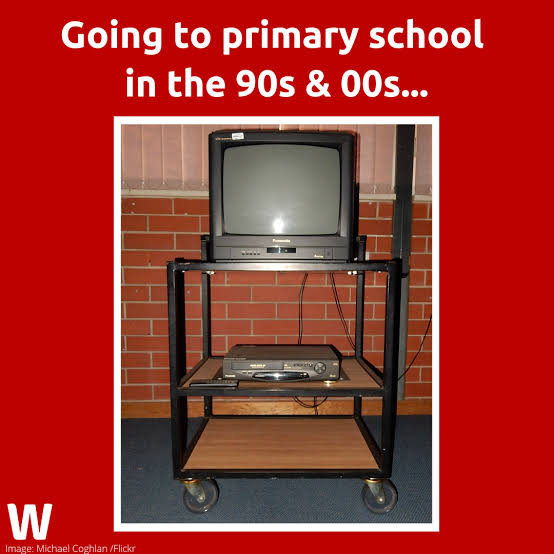
Figure 1. Television trolley commonly used in classrooms. Source: WalesOnline (n.d.).
References
Dron, J. (2022). Educational technology: What it is and how it works. AI & Society, 37(1), 155–166. https://doi.org/10.1007/s00146-021-01195-z
Selwyn, N. (2011). Education and technology: Key issues and debates. Continuum.
Selwyn, N. (2022). The future of AI and education: Some cautionary notes. European Journal of Education, 57(4), 620–631. https://doi.org/10.1111/ejed.12532
WalesOnline. (n.d.). Being chosen to fetch the TV trolley was a big deal [Facebook post]. Facebook. https://www.facebook.com/WalesOnline/posts/being-chosen-to-fetch-the-tv-trolley-was-a-big-deal/10159327808067183/


Create Your Own Website With Webador